Austin summers can be brutal on trees. Weeks of triple digit heat and little rain leave many homeowners looking at brown leaves and thin canopies. The big question is whether these trees will bounce back. The good news is that many drought stressed trees can recover with the right care. Here is how to tell how stressed your tree is and what you can do about it.
Signs of Drought Stress
- Wilting leaves: Leaves droop during the day, especially in the afternoon heat.
- Leaf scorch: Leaf edges turn brown and crispy while the center stays green.
- Early leaf drop: Trees shed leaves in summer to save water.
- Small leaves: New leaves come in smaller than normal.
- Dead tips: Branch tips die back at the top and outer edges of the crown.
Will My Tree Recover?
Recovery depends on how severe the stress is, how long it lasted and the type of tree. Native trees like live oak and cedar elm are built for dry spells and often recover well. Trees that are already old, weak or planted in poor sites may struggle more. A tree that drops leaves but still has green, flexible twigs is usually still alive. Use a simple scratch test: scrape a small twig with your fingernail. Green tissue underneath means that part is alive.
Some damage may not show until the next spring. A tree may leaf out thinner than normal, or some branches may stay bare. Give stressed trees time before making a final decision, unless they are a safety hazard.
How to Help a Drought Stressed Tree
Water Deeply and Slowly
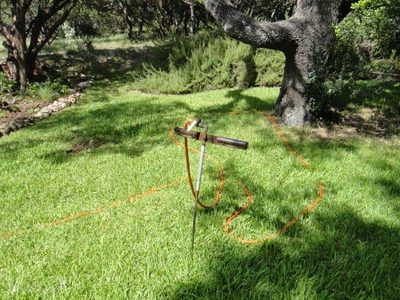
Deep, slow watering is the most important step. Water at the drip line, the area under the outer edge of the canopy, where many feeder roots grow. A soaker hose or a slow drip for several hours works well. Aim to wet the soil several inches deep. Check current Austin Water rules before watering.
Mulch the Root Zone
Lay a two to three inch blanket of mulch across the root area, leaving a small gap around the trunk. Mulch holds moisture, keeps soil cooler and reduces competition from grass.
Avoid Heavy Pruning
Do not prune heavily during drought. Leaves make food, and the tree needs every one it has. Remove only dead or dangerous branches.
Skip Heavy Fertilizer During Drought
Strong nitrogen fertilizer can push new growth the tree cannot support. Wait until the stress has passed, then consider tree fertilization to help the tree rebuild.
Protect the Roots
Keep cars, equipment and foot traffic off the root zone. Packed soil makes it even harder for roots to take in water.
Drought and Other Problems
Drought weakens trees and opens the door to other threats. Borers attack stressed trees. Hypoxylon canker, a fungus that shows up as gray or brown crusts on bark, often appears on oaks after long droughts. Oak wilt can also look like drought stress at first. An inspection helps sort out the real cause.
Preparing for the Next Dry Season
Healthy trees handle drought better. Before summer, have dead wood removed, check that mulch is in place and set up a soaker hose or drip line for deep watering. Young trees need the most help during their first few summers. Planting native and drought tolerant species also makes your yard more resilient over time.
When a Thirsty Tree Needs a Pro
Call an arborist if large limbs die, bark starts falling off, fungus appears or the tree is near your home and looks weak. Austin Complete Tree Service has helped Austin trees through many droughts since 1978. Our arborist services include diagnosis and care plans for stressed trees.
Drought Stress Questions
How often should I water trees during an Austin drought?
A deep watering every one to two weeks is better than frequent light sprinkling. Adjust for heat, soil and current watering rules.
Should I remove a tree that lost its leaves in summer?
Not right away. Many trees drop leaves to survive and leaf out again next spring. Check twigs for green tissue first.
Do native trees need watering in drought?
Even native trees benefit from deep watering during long, severe droughts, especially when young.
Related reading: deep root fertilization pros and cons, the best trees to plant in Austin and oak wilt symptoms in live oaks.